


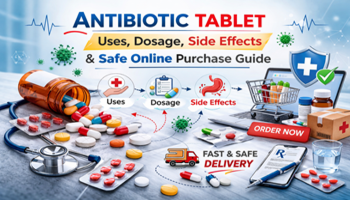



Antibiotic Tablet: Uses, Dosage, Side Effects & Safe Online Purchase Guide
Feb 21, 2026
Antibiotic tablets play a crucial role in modern medicine. From treating bacterial throat infections to managing urinary tract infections, antibiotics have helped save millions of lives worldwide. However, despite their importance, many people still misunderstand how antibiotic tablets work, when to use them, and how to take them safely.
In this comprehensive guide, we will cover everything you need to know about antibiotic tablets — including their uses, dosage guidelines, side effects, precautions, and how to purchase them safely online.
What Is an Antibiotic Tablet?
An antibiotic tablet is a prescription medication used to treat bacterial infections. Antibiotics work by either killing bacteria (bactericidal) or stopping their growth (bacteriostatic), allowing the immune system to eliminate the infection.
It is important to understand that antibiotic tablets are not effective against viral infections, such as:
-
Common cold
-
Flu
-
Most sore throats caused by viruses
-
Viral cough
Using antibiotics unnecessarily can lead to serious health risks, including antibiotic resistance.
How Do Antibiotic Tablets Work?
When harmful bacteria enter the body, they multiply rapidly and cause infection. Antibiotic tablets target specific components of bacterial cells, such as:
-
Cell wall synthesis
-
Protein production
-
DNA replication
By disrupting these processes, antibiotics stop bacteria from spreading, allowing the body to recover.
Different antibiotics work in different ways, which is why doctors prescribe specific types depending on the infection.
Common Types of Antibiotic Tablets
There are several classes of antibiotic tablets commonly prescribed:
1. Penicillins
Often used for throat infections, ear infections, and skin infections.
2. Cephalosporins
Used for respiratory infections and urinary tract infections.
3. Macrolides
Prescribed for chest infections and for patients allergic to penicillin.
4. Fluoroquinolones
Used for certain serious bacterial infections.
5. Tetracyclines
Often used for acne and respiratory infections.
The type of antibiotic prescribed depends on the bacteria involved, the patient’s medical history, allergies, and severity of infection.
Common Infections Treated with Antibiotic Tablets
Antibiotic tablets are commonly used to treat:
-
Throat infections (bacterial tonsillitis)
-
Urinary tract infections (UTIs)
-
Skin infections
-
Dental infections
-
Sinus infections
-
Certain respiratory tract infections
It is essential to consult a qualified doctor before taking any antibiotic tablet to ensure correct diagnosis and treatment.
Antibiotic Tablet Dosage: What You Need to Know
1. Follow the Doctor’s Prescription
The dosage of an antibiotic tablet depends on:
-
Type of infection
-
Severity
-
Patient’s age and weight
-
Kidney and liver function
Never self-medicate or reuse old prescriptions.
2. Complete the Full Course
One of the most important rules is to complete the entire prescribed course, even if symptoms improve within a few days.
Stopping early can:
-
Allow bacteria to survive
-
Cause reinfection
-
Contribute to antibiotic resistance
3. Timing and Food Instructions
Some antibiotic tablets should be taken:
-
Before food
-
After meals
-
With plenty of water
Always read the instructions carefully.
4. What If You Miss a Dose?
If you miss a dose:
-
Take it as soon as you remember
-
Skip it if it’s almost time for the next dose
-
Do not double the dose
Consistency ensures effective treatment.
Side Effects of Antibiotic Tablets
While antibiotic tablets are generally safe when prescribed correctly, they can cause side effects.
Common Side Effects
-
Nausea
-
Diarrhea
-
Stomach pain
-
Headache
-
Mild skin rash
Less Common but Serious Side Effects
-
Severe allergic reaction
-
Difficulty breathing
-
Swelling of face or throat
-
Severe diarrhea with blood
Seek immediate medical attention if severe symptoms occur.
Antibiotics and Gut Health
Antibiotics can disrupt the balance of good bacteria in the gut. This may lead to:
-
Digestive discomfort
-
Temporary diarrhea
-
Increased risk of certain infections
Doctors may sometimes recommend probiotics to help restore gut health.
What Is Antibiotic Resistance?
Antibiotic resistance occurs when bacteria adapt and become resistant to medications designed to kill them.
This can happen due to:
-
Overuse of antibiotics
-
Not completing prescribed courses
-
Taking antibiotics for viral infections
-
Self-medication
Antibiotic resistance is a major global health concern, making some infections harder to treat.
When Should You NOT Take an Antibiotic Tablet?
Avoid taking antibiotic tablets without medical advice if:
-
You suspect a viral infection
-
You are allergic to certain antibiotics
-
You are pregnant or breastfeeding (unless prescribed)
-
You are taking medications that may interact
Always inform your doctor about existing medical conditions and current medications.
Special Considerations
For Children
Dosage is carefully calculated based on weight.
For Elderly Patients
Kidney function must be evaluated before prescribing certain antibiotics.
For Pregnant Women
Only specific antibiotics are considered safe during pregnancy.
How to Buy Antibiotic Tablets Online Safely
With the growth of digital healthcare services, purchasing medicines online has become convenient and efficient. However, safety is essential when buying antibiotic tablets online.
1. Prescription Requirement
Legitimate pharmacies require a valid prescription before dispensing antibiotic tablets.
2. Verified Pharmacy
Ensure the platform is licensed and follows regulatory guidelines.
3. Secure Payment Options
Use trusted payment gateways to protect financial information.
4. Proper Packaging & Delivery
Medicines should be delivered in sealed, tamper-proof packaging.
For patients managing ongoing bacterial infections or requiring repeat prescriptions under medical supervision, reliable platforms offering diabetic medicines home delivery and other essential healthcare services can simplify medication access from the comfort of home.
Why Responsible Antibiotic Use Matters
Taking antibiotic tablets responsibly helps:
-
Ensure faster recovery
-
Reduce complications
-
Prevent resistance
-
Protect community health
Misuse not only harms individuals but also reduces treatment options for future generations.
Signs You Should See a Doctor Immediately
Seek urgent care if you experience:
-
High fever that does not reduce
-
Severe allergic reaction
-
Persistent vomiting
-
Worsening symptoms
-
Signs of dehydration
Early medical intervention prevents complications.
Frequently Asked Questions (FAQs)
1. Can I take an antibiotic tablet for cold or flu?
No. Colds and flu are viral infections. Antibiotics do not work against viruses.
2. How long does an antibiotic tablet take to work?
Most people begin to feel better within 48–72 hours, but the full course must be completed.
3. Can I drink alcohol while taking antibiotics?
Some antibiotics interact with alcohol. Always consult your doctor.
4. Is it safe to share antibiotics?
No. Sharing medications can lead to incorrect dosing and resistance.
Final Thoughts
Antibiotic tablets are powerful and life-saving medications when used correctly. They effectively treat bacterial infections, prevent complications, and promote recovery. However, responsible usage is essential to avoid side effects and the growing threat of antibiotic resistance.
Always consult a healthcare professional before starting any antibiotic treatment. Follow prescribed dosages carefully, complete the full course, and avoid self-medication.
With proper awareness, safe practices, and trusted access to medications, antibiotic treatment can remain one of the most valuable tools in modern healthcare.
For more info visit here:
How to Take an Antibiotic Tablet Correctly: Dosage & Timing Guide
Side Effects of Antibiotic Tablets: What You Should Know
Recent Post

Irregular Periods: Causes, Symptoms & Treatment Options

What is Mounjaro? Uses, Benefits & How It Works

Home Remedies vs Gas Tablets: What Works Faster?
When to See a Doctor for Gas Problems

Best Gas Tablet for Quick Relief from Bloating

What Causes Gas and Bloating in the Stomach?
Gas Tablet: Uses, Benefits, Dosage, Side Effects & Safe Usage Guide
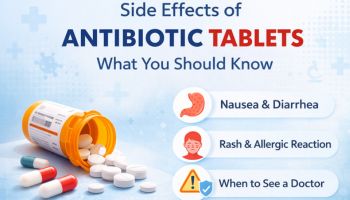
Side Effects of Antibiotic Tablets: What You Should Know
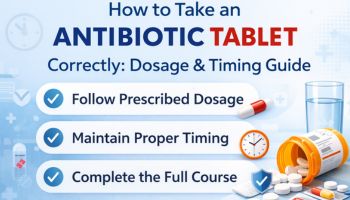
How to Take an Antibiotic Tablet Correctly: Dosage & Timing Guide

Best Cholesterol Lowering Medicine Online: Types, Uses & Side Effects Explained
Licensed Pharmacy
Drugs & Cosmetics Act 1940
Licensed Pharmacist
Mirza Askary Ali, B.Pharm · #031171/A1
Nationwide Delivery
Speed Post · All India Pincodes
Drug License Active
TS/HYD/2021-82149 · Form 20 & 21