


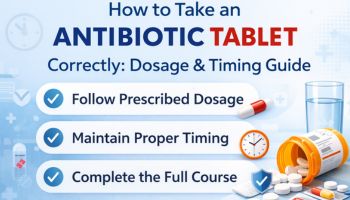



How to Take an Antibiotic Tablet Correctly: Dosage & Timing Guide
Feb 23, 2026
Antibiotic tablets are powerful medications used to treat bacterial infections. When taken correctly, they help eliminate harmful bacteria and speed up recovery. However, improper use can reduce effectiveness, cause side effects, and contribute to antibiotic resistance.
In this guide, you’ll learn how to take an antibiotic tablet correctly, including dosage instructions, timing guidelines, and important safety tips.
Why Proper Antibiotic Use Matters
Antibiotics are prescribed to treat bacterial infections such as:
-
Throat infections
-
Urinary tract infections (UTIs)
-
Skin infections
-
Dental infections
-
Respiratory infections
Taking them incorrectly — such as skipping doses or stopping early — may allow bacteria to survive and become resistant. This makes future infections harder to treat.
1️⃣ Always Follow Your Doctor’s Prescription
The dosage of an antibiotic tablet depends on:
-
Type of infection
-
Severity of infection
-
Age and weight
-
Kidney and liver health
-
Medical history
Never:
-
Self-medicate
-
Use leftover antibiotics
-
Share antibiotics with others
Each prescription is tailored to a specific condition and individual.
2️⃣ Take the Correct Dosage at the Right Time
Antibiotics work best when taken at evenly spaced intervals to maintain a constant level of medication in your bloodstream.
For example:
-
Twice daily → Every 12 hours
-
Three times daily → Every 8 hours
-
Four times daily → Every 6 hours
Setting reminders can help ensure consistency.
3️⃣ Before or After Food?
Some antibiotic tablets should be taken:
-
On an empty stomach (1 hour before or 2 hours after meals)
-
With food to reduce stomach irritation
Always read the label or ask your doctor or pharmacist.
Drinking a full glass of water with your antibiotic tablet helps it dissolve properly and reduces the risk of throat irritation.
4️⃣ Complete the Full Course
Even if you feel better within a few days, do not stop taking your antibiotic tablet unless your doctor advises otherwise.
Stopping early can:
-
Allow bacteria to survive
-
Cause the infection to return
-
Increase the risk of antibiotic resistance
Completing the full course ensures all bacteria are eliminated.
5️⃣ What If You Miss a Dose?
If you miss a dose:
-
Take it as soon as you remember
-
If it’s almost time for the next dose, skip the missed dose
-
Do not double the dose
Doubling up can increase the risk of side effects.
6️⃣ Avoid Alcohol (When Necessary)
Some antibiotics interact with alcohol, leading to:
-
Nausea
-
Dizziness
-
Increased side effects
Check with your doctor whether alcohol should be avoided during your treatment.
7️⃣ Be Aware of Possible Side Effects
Common side effects of antibiotic tablets include:
-
Nausea
-
Diarrhea
-
Mild stomach discomfort
-
Headache
Seek medical attention immediately if you experience:
-
Severe allergic reaction
-
Difficulty breathing
-
Swelling of face or throat
-
Severe diarrhea
8️⃣ Antibiotics and Other Medications
Inform your doctor if you are taking:
-
Blood thinners
-
Birth control pills
-
Diabetes medications
-
Antacids
-
Herbal supplements
Some medications can interfere with how antibiotics work.
9️⃣ Special Instructions for Children, Elderly & Pregnant Women
-
Children require weight-based dosing
-
Elderly patients may need adjusted dosages
-
Pregnant or breastfeeding women should only take antibiotics prescribed as safe
Never assume the same dosage works for everyone.
0️⃣ Safe Storage of Antibiotic Tablets
To maintain effectiveness:
-
Store in a cool, dry place
-
Keep away from direct sunlight
-
Keep out of reach of children
-
Do not use expired antibiotics
Proper storage ensures the medication remains effective throughout the treatment period.
The Importance of Responsible Antibiotic Use
Improper antibiotic use contributes to antibiotic resistance — a growing global health problem. Resistant bacteria are harder to treat and may require stronger, more expensive medications.
By following proper dosage and timing instructions, you help protect your health and the wider community.
When to Contact Your Doctor
Reach out to your healthcare provider if:
-
Symptoms do not improve after 2–3 days
-
Symptoms worsen
-
You experience severe side effects
-
You develop a new rash or allergic reaction
Prompt medical advice prevents complications.
Final Thoughts
Knowing how to take an antibiotic tablet correctly is just as important as taking it at all. Following proper dosage, timing, and safety guidelines ensures faster recovery and reduces the risk of resistance.
Always consult a qualified healthcare professional before starting antibiotic treatment, complete the prescribed course, and avoid self-medication.
When used responsibly, antibiotic tablets remain one of the most effective tools in modern medicine for fighting bacterial infections.
Recent Post

Irregular Periods: Causes, Symptoms & Treatment Options

What is Mounjaro? Uses, Benefits & How It Works

Home Remedies vs Gas Tablets: What Works Faster?

When to See a Doctor for Gas Problems

Best Gas Tablet for Quick Relief from Bloating

What Causes Gas and Bloating in the Stomach?
Gas Tablet: Uses, Benefits, Dosage, Side Effects & Safe Usage Guide

Side Effects of Antibiotic Tablets: What You Should Know

Antibiotic Tablet: Uses, Dosage, Side Effects & Safe Online Purchase Guide

Best Cholesterol Lowering Medicine Online: Types, Uses & Side Effects Explained
Licensed Pharmacy
Drugs & Cosmetics Act 1940
Licensed Pharmacist
Mirza Askary Ali, B.Pharm · #031171/A1
Nationwide Delivery
Speed Post · All India Pincodes
Drug License Active
TS/HYD/2021-82149 · Form 20 & 21