


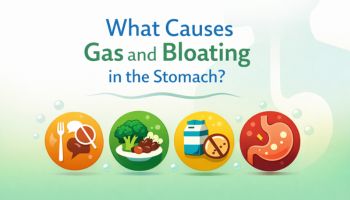



What Causes Gas and Bloating in the Stomach?
Mar 20, 2026
Gas and bloating are common digestive issues that almost everyone experiences at some point. While occasional gas is normal, frequent bloating or discomfort can affect your daily routine and overall well-being.
Understanding the causes of gas can help you manage symptoms better and prevent discomfort. In some cases, solutions like a gas tablet may provide quick relief when lifestyle changes are not enough.
Quick Answer: What Causes Gas in the Stomach?
Gas in the stomach is mainly caused by:
-
Swallowing air while eating or drinking
-
Eating gas-producing foods
-
Poor digestion
-
Constipation
-
Digestive disorders
1. Swallowing Air While Eating
One of the most common reasons for gas is swallowing air, also known as aerophagia.
This can happen when you:
-
Eat too quickly
-
Talk while eating
-
Drink through a straw
-
Chew gum frequently
The swallowed air builds up in the digestive system, leading to bloating and burping.
2. Gas-Producing Foods
Certain foods are more likely to produce gas during digestion.
Common Gas-Causing Foods:
-
Beans and lentils
-
Broccoli, cabbage, and cauliflower
-
Dairy products (especially in lactose intolerance)
-
Carbonated drinks
-
Fried and fatty foods
These foods are broken down by bacteria in the gut, which produces gas as a byproduct.
3. Poor Digestion
If your digestive system is not breaking down food properly, it can lead to gas formation.
This may happen due to:
-
Low digestive enzymes
-
Overeating
-
Eating heavy or oily meals
Incomplete digestion allows food to ferment in the intestines, producing gas.
4. Constipation
Constipation slows down the movement of food in the digestive tract. This can cause:
-
Gas buildup
-
Bloating
-
Abdominal discomfort
Relieving constipation often helps reduce gas problems.
5. Food Intolerances
Some people have difficulty digesting certain foods, leading to gas and bloating.
Common intolerances include:
-
Lactose intolerance (dairy products)
-
Gluten sensitivity
-
Artificial sweeteners
Identifying and avoiding trigger foods can help manage symptoms.
6. Digestive Disorders
In some cases, frequent gas may be linked to underlying digestive conditions such as:
-
Irritable Bowel Syndrome (IBS)
-
Acid reflux
-
Indigestion
-
Gastrointestinal infections
If gas occurs regularly or is severe, medical evaluation may be needed.
When Should You Be Concerned?
Occasional gas is normal, but certain symptoms may require medical attention.
Consult a doctor if you experience:
-
Persistent bloating
-
Severe stomach pain
-
Unexplained weight loss
-
Blood in stool
-
Frequent digestive discomfort
These may indicate an underlying health condition.
How to Prevent Gas and Bloating
Making simple lifestyle changes can help reduce gas formation.
Eat Slowly
Take time to chew your food properly to reduce swallowed air.
Avoid Trigger Foods
Limit foods that cause gas based on your body’s response.
Stay Hydrated
Drinking enough water helps digestion and prevents constipation.
Exercise Regularly
Physical activity improves digestion and reduces gas buildup.
Maintain a Balanced Diet
Eating fiber-rich and easily digestible foods supports gut health.
When to Use a Gas Tablet
If gas and bloating occur occasionally despite lifestyle changes, using a gas tablet can help provide quick relief.
Gas tablets work by:
-
Breaking down gas bubbles
-
Reducing stomach discomfort
-
Improving digestion
For a complete understanding of how gas tablets work, including their dosage, benefits, and side effects, read our detailed guide on Gas Tablet: Uses, Benefits, Dosage, Side Effects & Safe Usage Guide.
Final Thoughts
Gas and bloating are usually harmless but can be uncomfortable. Understanding the causes—such as diet, eating habits, and digestion—can help you prevent these issues effectively.
Simple lifestyle changes, combined with proper treatment when needed, can keep your digestive system healthy and comfortable.
If symptoms persist, it is always best to consult a healthcare professional for proper diagnosis and treatment.
Recent Post

Irregular Periods: Causes, Symptoms & Treatment Options

What is Mounjaro? Uses, Benefits & How It Works

Home Remedies vs Gas Tablets: What Works Faster?
When to See a Doctor for Gas Problems

Best Gas Tablet for Quick Relief from Bloating
Gas Tablet: Uses, Benefits, Dosage, Side Effects & Safe Usage Guide

Side Effects of Antibiotic Tablets: What You Should Know
How to Take an Antibiotic Tablet Correctly: Dosage & Timing Guide
Antibiotic Tablet: Uses, Dosage, Side Effects & Safe Online Purchase Guide

Best Cholesterol Lowering Medicine Online: Types, Uses & Side Effects Explained
Licensed Pharmacy
Drugs & Cosmetics Act 1940
Licensed Pharmacist
Mirza Askary Ali, B.Pharm · #031171/A1
Nationwide Delivery
Speed Post · All India Pincodes
Drug License Active
TS/HYD/2021-82149 · Form 20 & 21